Cover image generated with AI.
The cost of a beard transplant in Turkey depends mainly on how large an area needs to be filled, how many grafts that requires, how dense you want the beard to be and what the stay includes. Healing in cold weather is usually straightforward: the small marks in the face typically settle within one to two weeks, as long as you protect the skin from wind, avoid rubbing and wait with shaving until your doctor allows it. We do not publish prices, because a fair estimate requires an assessment of your face and donor area.
Beard transplants have become a common request from Scandinavian travellers, often planned for the darker months when it is easier to stay indoors for a few days. This guide explains what drives the cost and how to look after a new beard in winter.
How a beard transplant works
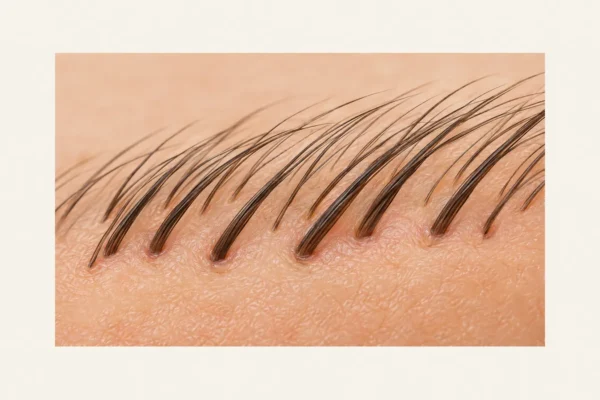
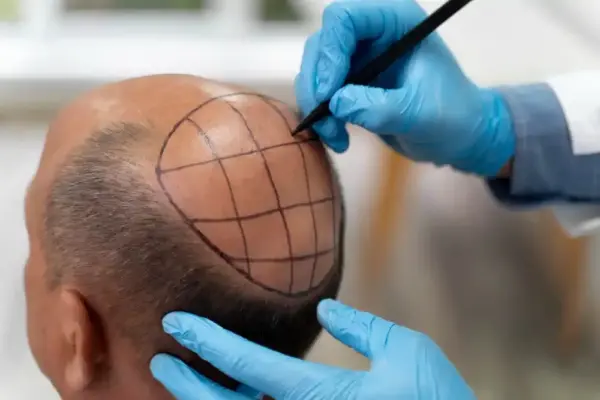
Hair follicles are usually taken from the back of the scalp with FUE and placed in the beard area, either in small channels opened in advance or with an implanter. Beard hairs naturally grow in ones and twos and lie close to the skin, so grafts with one or two hairs are often used and placed at a very sharp angle, following the direction of the existing beard. Experienced surgeons describe graft preparation, the angle and direction of the recipient sites and the overall design as the key steps for a natural result.
What determines the cost?
| Factor | Why it matters |
|---|---|
| Area to be filled | Patchy cheeks, a moustache, the chin or a full beard line need very different numbers of grafts |
| Desired density | A dense, dark beard on light skin needs more grafts than a lighter beard |
| Donor capacity | Grafts usually come from the same donor area used for scalp transplants; future scalp needs must be considered |
| Cause of patchiness | Scars can be more demanding; patchy hair loss from an active condition needs medical assessment first |
| Time and team | Placing many small grafts at sharp angles takes time; ask who performs each step |
| What is included | Consultation, aftercare products, check-up and follow-up vary |
| Travel and time off | Flights, extra nights and days away from work are extra |
In some cases, hair from under the chin or from the body can supplement scalp hair, but this is decided individually and is not suitable for everyone.
Healing in cold weather
The first days
Expect some redness and mild swelling in the face, and small scabs around each hair. Sleep on your back, keep your face clean and avoid touching, scratching or pressing the treated area. Follow the clinic’s washing instructions closely.
Wind, cold and dry indoor air
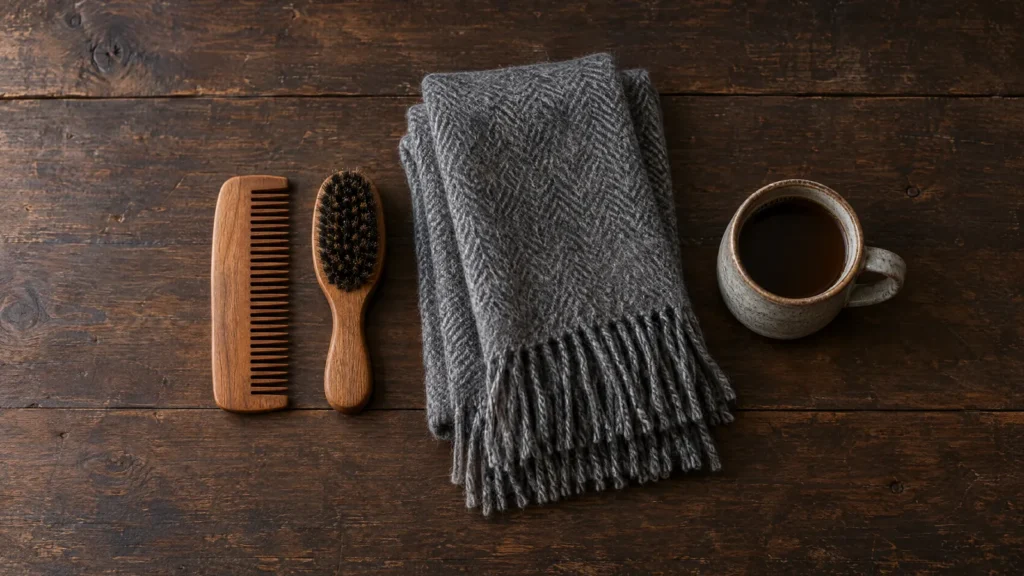
Cold wind can make sensitive skin feel tight and itchy. A soft scarf worn loosely, without rubbing against the cheeks, can help once your doctor says it is fine. Dry indoor air in winter can increase itching; do not scratch. Avoid saunas and very hot showers on the face until healing is complete.
Shaving and trimming
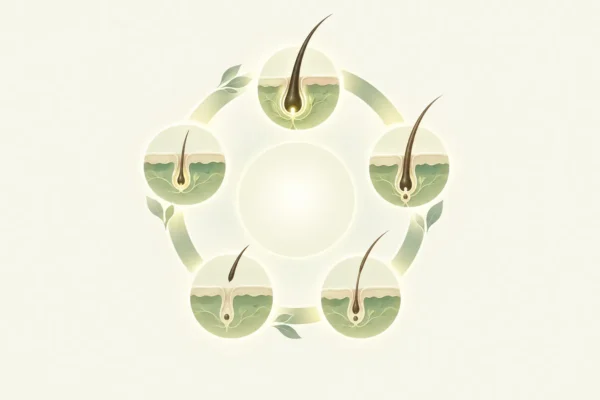
Wait with shaving and trimming until the area has healed and your doctor gives the go-ahead. The transplanted hairs often shed in the first weeks; this is expected, and new growth appears gradually over the following months. The result is usually assessed after about a year.
Winter sports and helmets
Skiing, skating and other activities with helmets or face protection can press or rub against the treated area. Ask your doctor when they are safe again.
Who is a suitable candidate?
A beard transplant may suit adults with a patchy or thin beard due to genetics, or with scars in the beard area, who have a good donor area and realistic expectations. Younger men whose beard is still developing may benefit from waiting a few years. If you are also considering a scalp transplant now or later, the plan should take both into account, because they share the same donor area.
Risks and limitations
Common and usually temporary effects are redness, swelling, tenderness and small inflamed follicles. Less common complications include infection, scarring and grafts that do not grow. Density may be lower than hoped, and results vary from person to person.
Frequently asked questions
How much does a beard transplant cost in Turkey?
It depends on the area, the number of grafts, the desired density, your donor area and what the stay includes. A fair estimate requires photos or an examination.
Is winter a good time for a beard transplant?
Many find it practical, because it is easier to stay indoors and avoid strong sun in the first weeks. Protect the skin from cold wind and rubbing, and follow your doctor’s advice.
When can I shave after a beard transplant?
Once the area has healed and your doctor has given the go-ahead. Transplanted hairs can then be shaved, trimmed and shaped like the rest of the beard.
Will it look natural?
It can, when the design is conservative, small grafts are used and the angle and direction follow the natural beard. Results vary, and density depends on how many grafts can be used.
Further reading
- Hair transplant in Turkey
- How to check a hair transplant doctor in Turkey: 8 questions to ask
- Contact us
Sources
- Epstein JS. Facial Hair in Hair Restoration Surgery: Beard Transplantation and Beard-To-Scalp Hair Restoration. Facial Plast Surg Clin North Am. 2024;32(3):409–416. PubMed 38936998
- Dua K, Verma V, Dua A. Beard and Moustache Reconstruction. Indian J Plast Surg. 2021;54(4):483–488. PubMed 34984089
- Umar S, Khanna R, Maldonado JC, et al. Beard and Body Hair Transplantation by Follicular Unit Excision Using a Skin-Responsive Device: A Multicenter Study. Dermatol Surg. 2024;50(3):306–308. PubMed 38127669
- MedlinePlus: Hair transplant. medlineplus.gov