Cover image generated with AI.
The cost of an eyebrow transplant in Turkey depends mainly on how many grafts are needed, whether one or both brows are treated, how the brow shape is planned, how long the procedure takes and what the stay includes. Because these factors differ from person to person, a fair price can only be given after someone has looked at your brows and your donor area. We do not publish prices, but this guide explains what determines them and what to ask before you book.
Eyebrow transplantation moves individual hair follicles, usually from the back of the scalp, to thin or missing areas of the eyebrows. It is used after over-plucking, scars, burns or other causes of eyebrow loss, and sometimes to reshape thin brows. The result depends on careful planning, because eyebrow hairs grow at very shallow angles and in changing directions.
What an eyebrow transplant involves
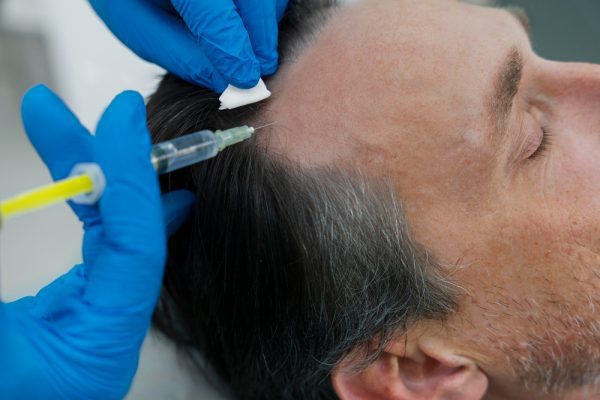
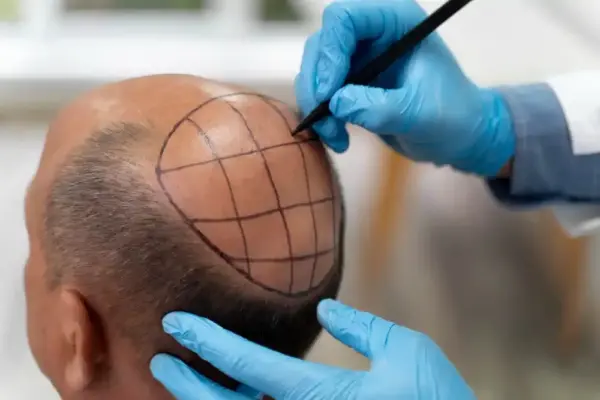
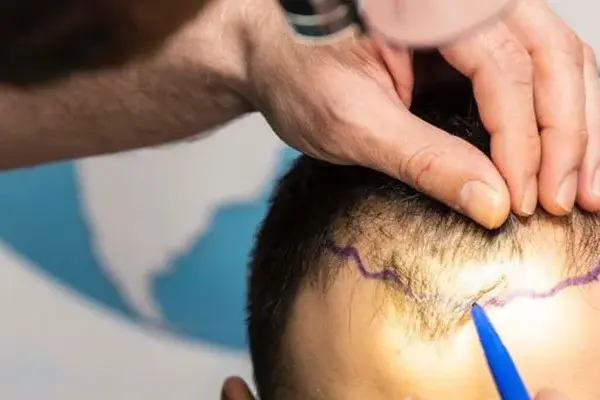
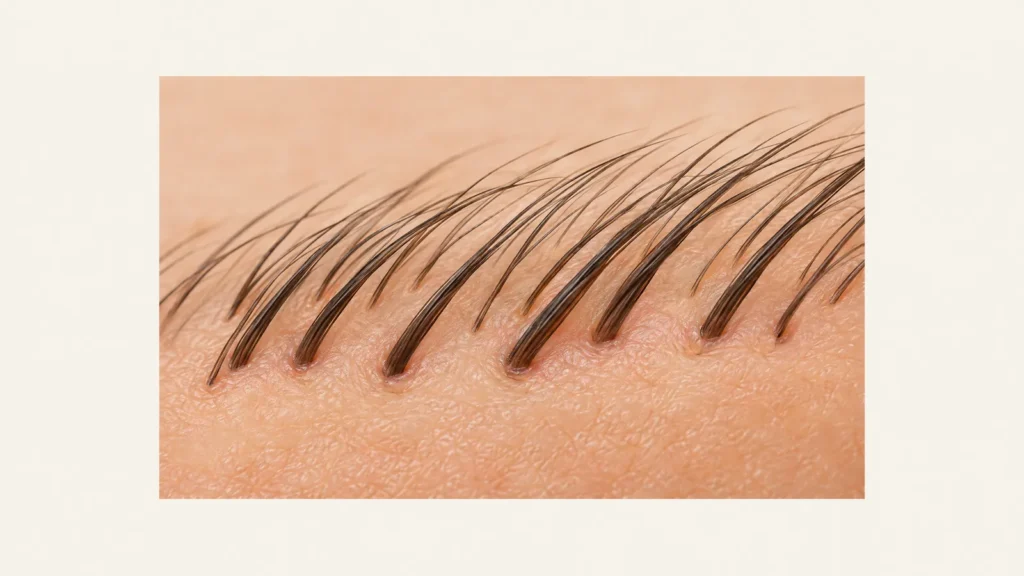
The brow shape is planned by the doctor at the examination, together with you, taking your face, your natural brow and your expectations into account. Under local anaesthesia, single-hair grafts are taken from the donor area, typically the back of the head, and placed one by one in the brow area. The angle and direction of every hair matter: brow hairs lie almost flat against the skin and point in slightly different directions along the brow. A systematic review of published cases found that follicular unit techniques are the most commonly used approach for eyebrow transplantation.
What determines the cost?
Number of grafts
Filling a small gap at the tail of one brow requires far fewer grafts than rebuilding two complete brows. More grafts mean more time for extraction and placement.
One or both brows, and the design
Symmetry is one of the hardest parts of eyebrow work. Treating both brows, or creating a new shape rather than filling gaps, usually requires more planning and more time.
The cause of eyebrow loss
Brows lost to scarring or burns can be more demanding than brows thinned by plucking, because scar tissue can affect blood supply and growth. Some causes, such as active patchy hair loss, need medical treatment first and may not be suitable for a transplant at all.
Technique and time
Eyebrow grafts are small and placed very densely and at sharp angles, which takes time. Ask how long the procedure is expected to take and who performs each step.
What is included
Some prices cover only the procedure. Others include the consultation, aftercare products, a check-up the next day, transfers, hotel nights and follow-up. Compare what is included, not only the total.
Follow-up and possible second session
Some people want a second, smaller session to adjust density or shape once the first result is visible. Ask in advance how this is handled.
Cost factors at a glance
| Factor | Why it affects the cost |
|---|---|
| Number of grafts | More grafts take longer to extract and place |
| One or both brows | More area and more work on symmetry |
| Cause of loss | Scars and burns can be more demanding |
| Design | A new shape takes more planning than filling gaps |
| What is included | Hotel, transfers, products and follow-up vary between offers |
| Travel and time off | Flights, extra nights and days away from work are extra |
Who is a good candidate?
An eyebrow transplant may be suitable if your brow loss is stable, you have healthy donor hair at the back of the head, and you have realistic expectations about density. It is often discussed after long-term over-plucking, after scars or burns, or when brows have always been sparse. It is usually not the first step if eyebrow loss is part of an active condition such as patchy hair loss, or if the cause has not been investigated. A doctor should examine the brows before any plan is made.
Healing and what to expect
Small scabs form around each graft and usually fall off within about a week or two. Mild swelling and redness around the brows are common in the first days. As with scalp transplants, the transplanted hairs often shed in the first weeks, and new growth appears gradually over the following months. Transplanted hairs usually come from the scalp and keep some of the characteristics of scalp hair, so they often need regular trimming and sometimes shaping. Possible complications include infection, scarring, uneven growth and hairs that grow in an unwanted direction. Results vary from person to person.
Questions to ask before you book
- How many grafts do you estimate for my brows, and why?
- Who designs the brow shape, and can I see it drawn before the procedure?
- Who extracts and places the grafts?
- What is included in the price, and what is not?
- How is follow-up handled after I return home, and what if I want a small adjustment later?
Frequently asked questions
How much does an eyebrow transplant cost in Turkey?
It depends on the number of grafts, whether one or both brows are treated, the cause of the eyebrow loss, the design and what the stay includes. A clinic can give a fair price only after seeing photos or examining your brows.
How long does it take to see the result?
New hairs usually start to appear after a few months, and the result is typically assessed after about a year.
Will I need to trim my new eyebrows?
Often yes. The transplanted hairs usually come from the scalp and may grow longer than natural brow hairs, so regular trimming is common.
Can scars or burns be treated?
Sometimes. Scar tissue can affect how well grafts grow, and more than one session may be needed. A doctor needs to examine the area first.
Further reading
- How to check a hair transplant doctor in Turkey: 8 questions to ask
- Hair transplant in Turkey
- Contact us
Sources
- Klingbeil KD, Fertig R. Eyebrow and Eyelash Hair Transplantation: A Systematic Review. J Clin Aesthet Dermatol. 2018;11(6):21–30. PubMed 29942421
- MedlinePlus: Hair transplant. medlineplus.gov
- Khatib M, Skorochod R, Wolf Y. Complications Following Hair Transplantation: A Systematic Literature Review and Meta-Analysis. Aesthetic Plast Surg. 2025;49(23):6393–6405. PubMed 40913181